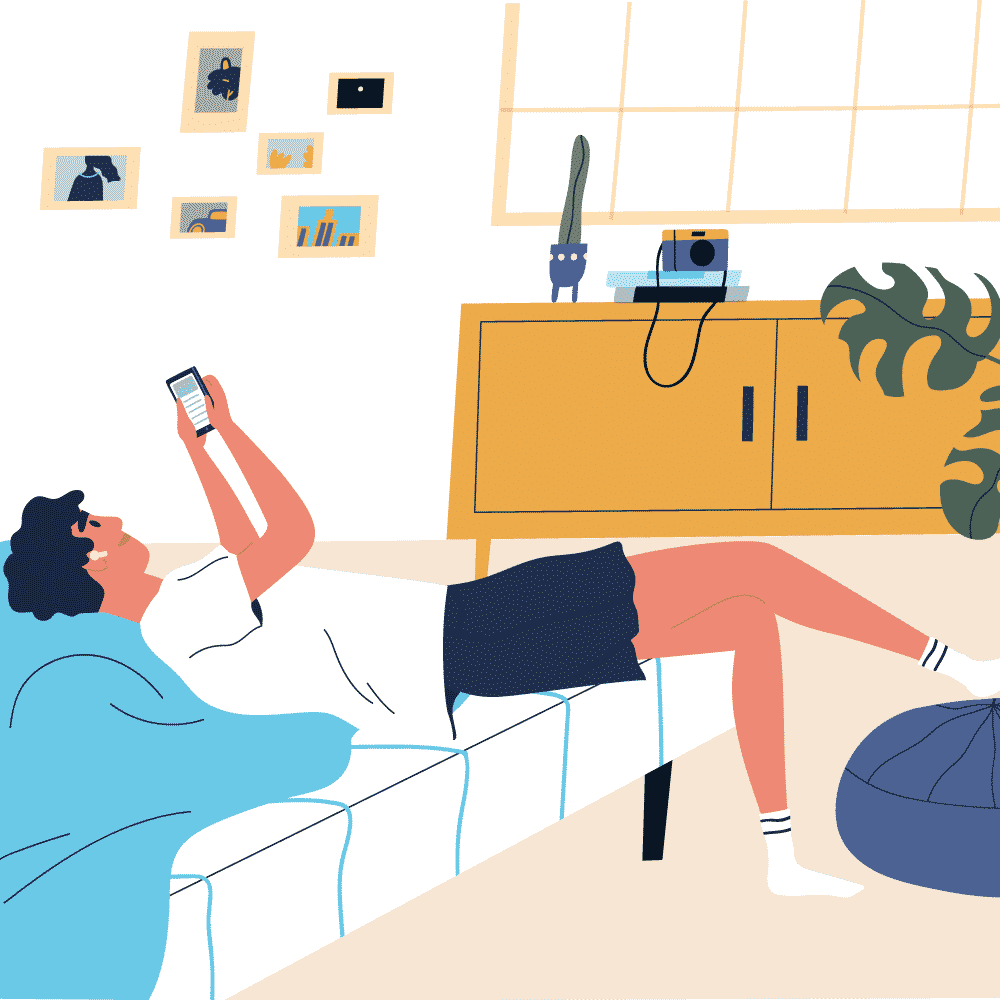
TNDO 7 Mistakes game

The 7 Mistakes game, developed by the TNDO team, is a fun and accessible tool for identifying habits that affect sleep. It’s perfect for breaking the ice, starting a discussion, and raising awareness, particularly among young people with literacy challenges. A corrected version and clear explanations accompany the game so you can go further… without […]
Sleep Diary TNDO

The sleep diary: a simple and proven tool for better sleep. Its effectiveness has been proven: keeping a sleep diary helps you better understand your habits, identify obstacles to sleep, and initiate lasting changes. TNDO offers its own version, in the form of a table to be completed over 7 to 14 days, to gain […]
Atelier sommeil du programme HORS-PISTE : Le sommeil, ça recharge! (PPT TNDO)

Want to explore the link between sleep and mental health without resorting to a lecture? Le sommeil, ça recharge workshop is for you!Designed for school settings, this turnkey activity offers an active and positive discussion on the joys of sleeping well.Youth are invited to reflect, share, and better understand how sleep can help prevent anxiety.The […]
The collaborative Challenge TNDO to share our slices of night

The collaborative challenge is a simple, creative, and turnkey activity that gives the youth a voice about their own experiences with sleep and dreams. Video, podcast, photo, or comic strip: several formats are possible to express their point of view. The TNDO team took part in the challenge by opting for the video format. The […]
TNDO Quizzzz

Short Quizzzz designed for youth to test their knowledge about sleep, discover surprising facts, debunk common misconceptions, and better understand the impact of sleep on their health and daily lives. This page also gives them the opportunity to ask questions to the TNDO team.
Sommeil des ados, quels impacts sur la santé mentale? (60 min)

This webinar covers the basics of sleep, the specific needs of teens, circadian rhythms, and the sleep phase gap phenomenon. It highlights the consequences of sleep deprivation on mental health and encourages healthcare professionals to systematically assess young people’s sleep habits.
Le sommeil des ados, pierre angulaire de leur santé mentale

One in three young people sleeps too little… and it impacts everything: mood, attention, and mental health. Between a shifted body clock, evening screens, and school schedules, the risks are mounting. This article helps you understand the causes and offers concrete solutions: sleep hygiene, screening tools, and school adjustments.
C’est pas nous, c’est la #science qui le dit : va te coucher pour l’amour! (1 min)

Nico, who experienced seven nights of sleep deprivation, highlights the importance of sleep from a variety of perspectives—mental health, athletic performance, and academic achievement. It makes you want to… go to bed!
Échelle HIBOU©

This tool helps detect sleep disorders in children aged 2 to 17. Developed by the Clinique d’évaluation diagnostique des troubles du sommeil de l’Hôpital Rivière-des-Prairies, the HIBOU scale assesses poor sleep in children on a scale of 0 (never) to 3 (5 to 7 times per week).
The Why and How of Dreams

Dreams are a normal mental activity that occurs during sleep and often reflect our emotional concerns and experiences. Although their exact meaning remains partly mysterious, they offer valuable insight into our inner world. Paying attention to one’s dreams, by narrating or recording them, can be beneficial, especially in a therapeutic context.